Palo Alto High School • SAT · ACT · PSAT
SAT, ACT, and PSAT Tutoring for Palo Alto High School Students

What PALY Students Are Preparing For
Most of the universities PALY students consider require SAT or ACT scores this cycle — Harvard, Yale, Dartmouth, Brown, Penn, Cornell, MIT, Stanford and Georgetown among them. Princeton and Columbia are the exceptions. The UCs remain test-blind, so they see no scores at all, for admission or for their own awards, though the Regents revisit that policy by June 2027. A PALY student who does not submit strong scores is making a strategic decision in a context where most of their peers are submitting them.
The competitive floor at PALY is not defined by the national average. It is defined by the peer group. Students from this school consistently submit SAT scores in the 1400 to 1550 range for merit scholarship consideration and 1500 to 1600 for the most selective private universities.
“Despite my unique case and circumstances, Michael adapted and guided me on the best way to tackle the SAT/ACT. Better yet, he went above and beyond, helping me request the accommodations I needed. I didn’t just get the scores I wanted, I actually exceeded them, surpassing my own expectations.”
Dylan Weathers · Palo Alto High School ’22 · Chapman University ’26
“We tried several approaches, including a private tutor from Princeton Review, and it made almost no difference. Michael quickly recognized that what my son needed most was confidence. He started at the end of junior year with a 1130 and finished at 1410 — and received eight scholarship offers.”
Cyndy McLean · Parent of a Palo Alto High School Student ’25 · Smith School of Business, Queen’s University ’29
The Digital SAT and the current ACT at PALY
The SAT is now fully digital and adaptive. Module 1 performance determines which version of Module 2 a student receives. Students who understand this and pace themselves accordingly can unlock the harder questions where scores above 1500 are earned. Students who don't can underperform in ways entirely disconnected from their actual ability.
The ACT changed in 2025. Science is now optional and does not affect the composite score. For PALY students who previously chose the SAT to avoid Science, that reasoning no longer applies. Michael assesses both tests during the free trial and makes a recommendation based on actual diagnostic data.
PSAT and National Merit at PALY
California's NMSQT Selection Index cutoff runs several points above the national average. A PALY junior competing for Semifinalist recognition is competing against one of the highest-density pools of high-achieving students in the country. The PSAT happens once. The October junior year test is the only qualifying opportunity. Michael's recommendation for PALY students with National Merit ambitions is to start in January of sophomore year, integrating PSAT work directly into the SAT readiness track so the two reinforce each other.
How the Program Works
The Trial Session
Free Two-Hour Trial
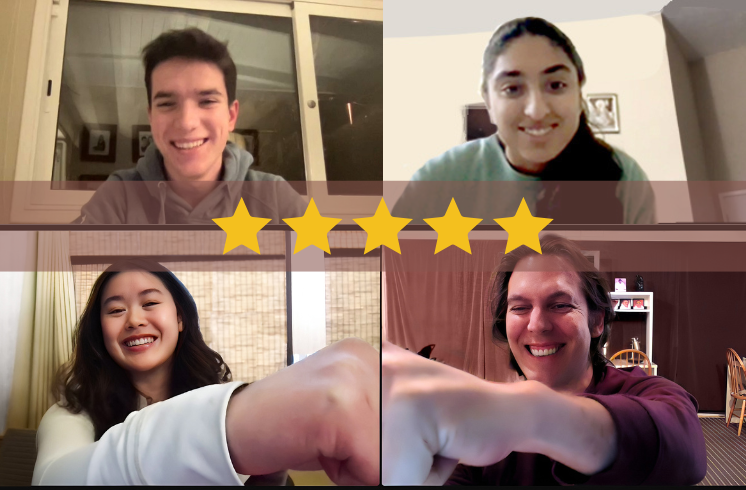
The free trial on Zoom includes a diagnostic, direct work with Michael, and a follow-up call with both student and parent. Michael presents a specific recommendation: which test gives the student the best opportunity, how far their score may be able to go, a recommended training plan, and which upcoming test dates are most strategic. No financial commitment until both sides agree.
Every Session
The Session Format
Sessions are two hours long and combine individualized coaching, structured practice, and timed work using official SAT and ACT material. Students stay actively engaged while receiving ongoing guidance and feedback from Michael throughout the session. No homework.
The Guarantee
Score Satisfaction Guarantee
Students who complete the agreed program and are not satisfied with their results continue at no additional cost after the agreed session cap until they are satisfied or available testing opportunities have been exhausted.
The Mr. Test Prep Method™ and A-Game Access™
The Mr. Test Prep Method™ builds the execution strategies and pattern recognition that transfer directly to test conditions. A-Game Access™ is the mindfulness and peak performance system built into every session — addressing the gap between practice performance and test-day performance.
Preparation Timelines
Common Starting Points
- January, sophomore year — particularly for students with National Merit goals.
- Summer before junior year — the period after July 4th is a common starting point for junior-year test dates.
- Summer before senior year — depending on goals and testing plans.
What the Trial Session Produces
The diagnostic produces a specific recommendation: which test gives the student the best opportunity, how far their score may be able to go, a recommended training plan, and which upcoming test dates are most strategic.
Frequently Asked Questions: Palo Alto High School SAT, ACT & PSAT Tutoring
What SAT score is competitive for PALY students considering merit scholarships and selective universities?
For the most selective private universities PALY students frequently consider, competitive applicants typically submit scores in the 1400 to 1550 range. The peer group sets the standard in practice.
When should a PALY student start preparing?
Preparation timelines vary based on a student's goals, starting point, and upcoming test dates. Some students begin as early as January of their sophomore year, particularly those with National Merit goals. Many students begin preparation during the summer before junior year, with the period after July 4th being a common starting point. Students entering senior year often begin during the summer before, depending on their goals and testing plans. Michael's free trial session includes a diagnostic and personalized timeline recommendation based on each student's individual situation.
Do PALY students typically take the SAT or ACT?
Both are accepted by every university PALY students commonly consider. Which test gives a specific student the better score is a diagnostic question. Michael assesses both during the free trial.
Explore Tutoring by School
- SAT & ACT Tutoring for Castilleja School
- SAT & ACT Tutoring for Henry M. Gunn High School
- SAT & ACT Tutoring for Menlo-Atherton High School
- SAT & ACT Tutoring for Menlo School
- SAT & ACT Tutoring for Sacred Heart Preparatory
- SAT & ACT Tutoring for Los Altos High School
- SAT & ACT Tutoring for Woodside Priory School
- SAT & ACT Tutoring for Pinewood School
Related Pages
What Palo Alto High School Families Say
25 Palo Alto High School families have written about working with Mr. Test Prep — students and parents both. They are collected together in the full archive, alongside every testimonial received since 1997.
Read all 25 testimonials from Palo Alto High School families →
Book Your Free 2-Hour Trial Session
Free Two-Hour Trial for Palo Alto High School Students
The trial is a two-hour Zoom session where your student works through a diagnostic with guidance and feedback from Michael throughout. Afterward Michael calls both student and parent with a specific recommendation: which test gives the student the best opportunity, how far their score may be able to go, a recommended training plan, and which upcoming test dates are most strategic.
The trial is free with no obligation to continue.