Bay Area SAT • ACT • PSAT Tutoring
SAT, ACT & PSAT Tutoring in the Bay Area
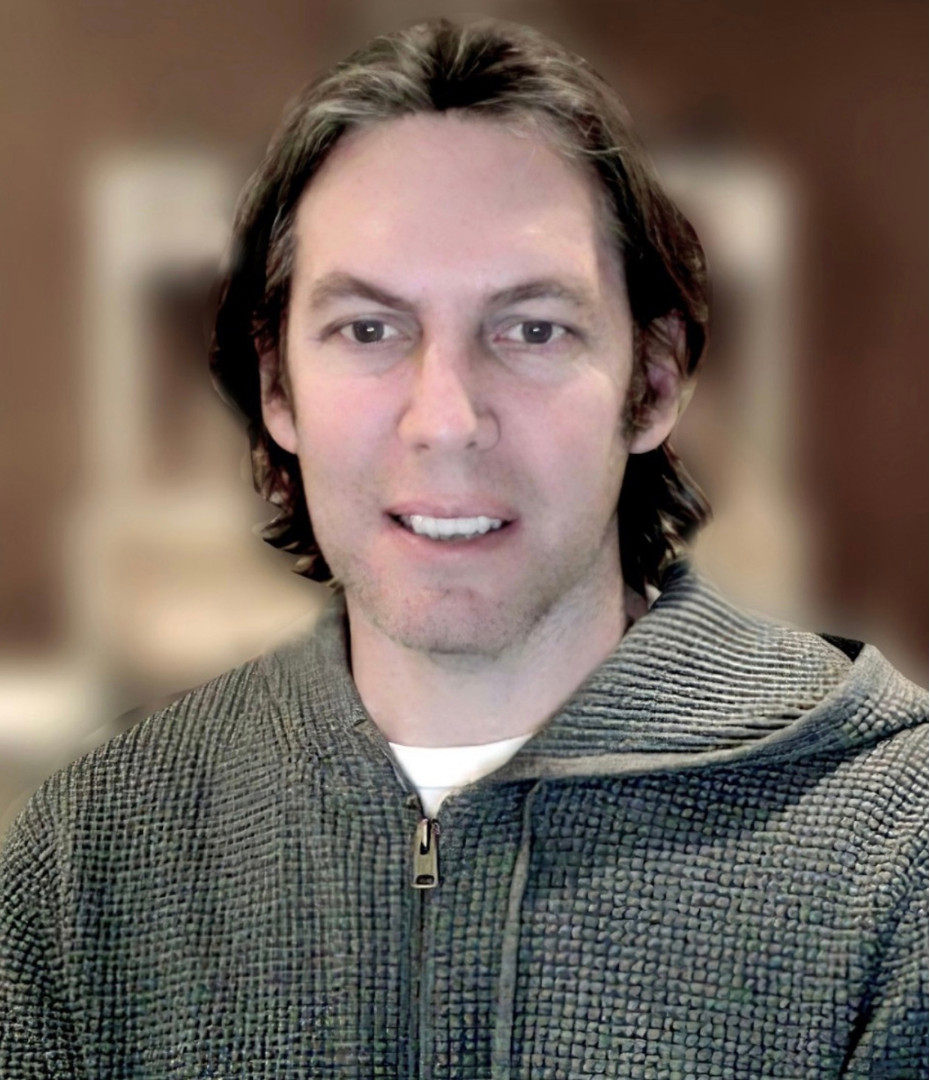
Quick Answer: Why Mr. Test Prep Is the Right Fit for Bay Area Families
The San Francisco Bay Area is the most competitive standardized testing market in the United States. That is a measurable fact, not a regional boast. California produces more National Merit Semifinalists than any other state. The Peninsula corridor — Palo Alto, Menlo Park, Los Altos, Mountain View, Cupertino, Santa Clara — generates a disproportionate share of those. The high schools here send students to UC Berkeley, Stanford, and the Ivy League at rates that put them among the top academic feeders in the country. The SAT and ACT scores that move the needle in Bergen County, New Jersey or Fairfax County, Virginia are baseline expectations in this zip code. Michael Romano — Mr. Test Prep — has been working with students inside that environment since 1997. In nearly three decades he has worked with more than 4,000 students, the majority from the Bay Area. That context matters for Bay Area families specifically. Mr. Test Prep is not a national brand that added a Bay Area office. Michael is based in Palo Alto. He built this program here. The students who first documented hundreds of testimonials on mrtestprep.com were Gunn High School juniors and PALY sophomores navigating the same admissions cycle your student is navigating now.Why Bay Area Test Prep Requires a Different Standard
This is not a low-stakes environment. After several years of test-optional policies, the majority of the most selective universities now require standardized test scores — including Harvard, Dartmouth, Brown, Cornell, Penn, MIT, and Stanford. Yale requires scores but offers flexibility: SAT, ACT, AP, or IB are all accepted. Princeton and Duke remain test optional for the current cycle. Columbia has made test-optional permanent. But for Bay Area students, test-optional is not the same as test-irrelevant. Admissions officers know where applicants come from. A student from PALY or Gunn who doesn’t submit a score raises a question that a strong score would have answered. The direction is clear: a strong test score matters more now than at any point in the past five years.The California cutoff and National Merit reality
The UCs are test-blind, so they see no scores at all for admission or for their own awards, though the Regents revisit that policy by June 2027. The California NMSQT Selection Index cutoff runs several points above the national average. A Bay Area junior competing for National Merit recognition is competing against one of the most concentrated pools of high-achieving students in the country.Where the program focuses
Nearly three decades in this market means Michael has seen every version of that pressure. The students he works with are not starting from zero. Most arrive with strong GPAs, AP loads, and some prior testing exposure. What they typically lack is a precise understanding of how these tests are constructed and a method for performing at their ceiling under timed conditions. That is where the program focuses.The SAT, ACT, and PSAT in 2026
All three tests have changed significantly in recent years. Bay Area families need current information.The Digital SAT
How the ACT changed
The PSAT — one-shot in October
When Bay Area Students Should Start — and How to Sequence
How the Program Works for Bay Area Students
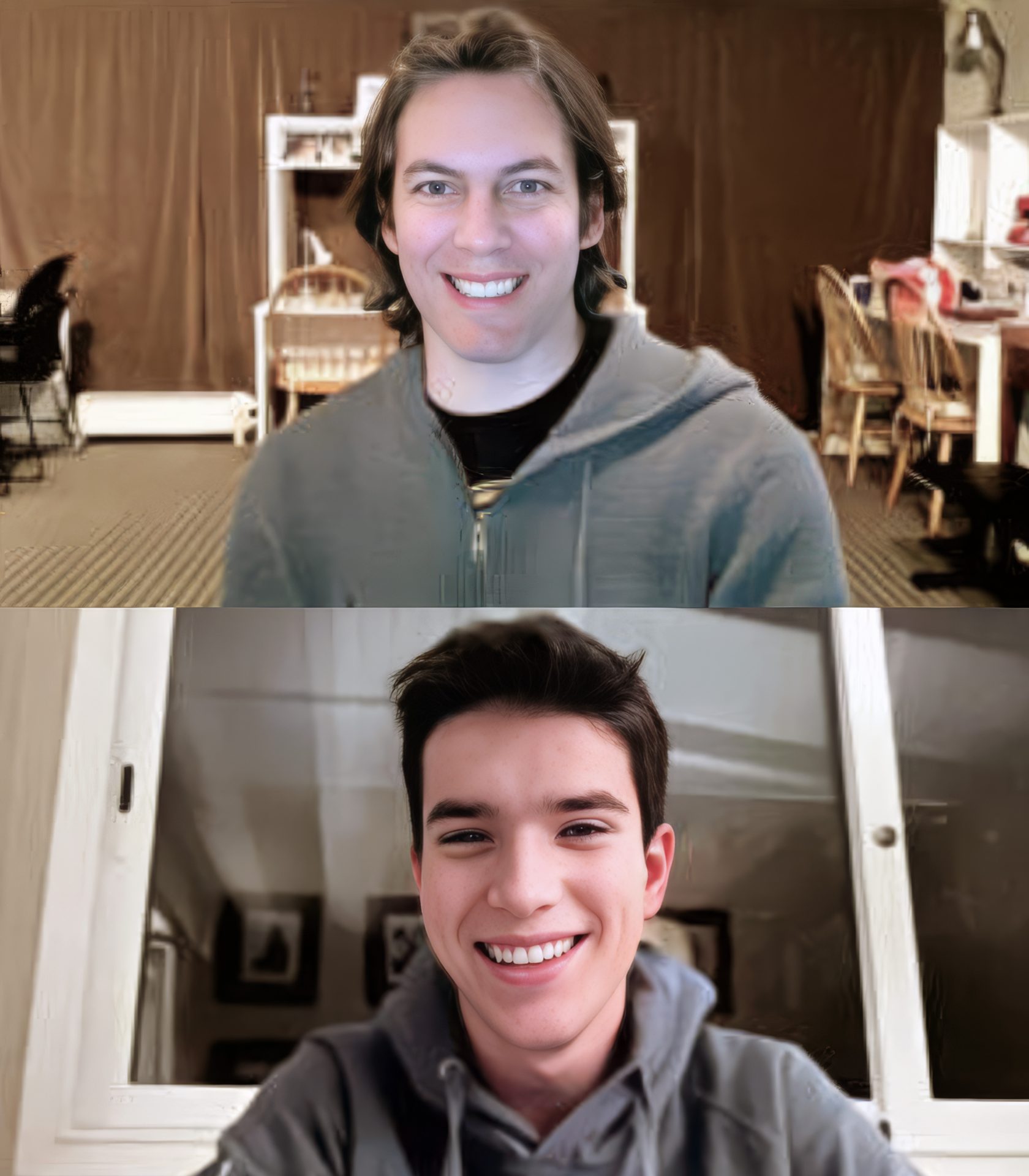
Every engagement starts with a free trial
Session structure
No homework — and why
Bay Area Schools We Serve
Palo Alto & the Mid-Peninsula
- Palo Alto High School (PALY) — where 1400+ is a competitive floor and students consistently target Stanford, the Ivies, and selective private universities.
- Henry M. Gunn High School — consistently one of California’s highest National Merit Semifinalist producers; students here operate in one of the most competitive testing environments in the country.
- Castilleja School — all-girls independent school in Palo Alto; high proportion of students targeting selective colleges where testing requirements have been reinstated.
- Sacred Heart Preparatory, Atherton — rigorous academics and demanding extracurricular schedules; strong overlap with Mr. Test Prep families.
- Menlo School, Atherton — serves the Palo Alto, Menlo Park, and Atherton corridor; strong college placement outcomes across the Peninsula.
- Menlo-Atherton High School — strong academic and extracurricular balance; students here frequently navigate the SAT-vs-ACT decision with Michael’s diagnostic process.
- Woodside Priory School, Portola Valley — independent Catholic school with strong academic culture and college placement outcomes.
- Los Altos High School — consistent high-achieving student base with strong college placement outcomes.
- Mountain View High School — academically strong public school with significant overlap with the Palo Alto corridor.
- Saint Francis High School, Mountain View — Catholic school with strong academic culture and significant SAT and ACT participation.
- Pinewood School, Los Altos Hills — small independent school with high college aspirations; students benefit from individualized preparation.
San Mateo & Redwood City
- Aragon High School, San Mateo — strong academic culture with significant UC application volume.
- San Mateo High School — documented outcome: student worked with Michael and scored a 35 on the ACT.
- Burlingame High School — competitive Peninsula public school with strong academic culture and UC application volume.
- Hillsdale High School, San Mateo — competitive Peninsula public school with strong college placement outcomes.
- Mills High School, Millbrae — competitive Peninsula public school with strong academic culture.
- Capuchino High School, San Bruno — serves the San Bruno and Millbrae corridor.
- Carlmont High School — Belmont; 55th in California in 2025 and the largest school on this list at roughly 2,360 students.
- Sequoia High School, Redwood City — serves the Redwood City corridor; students here navigate the same competitive Peninsula testing environment.
- Woodside High School — serves the Woodside and Redwood City corridor; students here navigate the same Peninsula testing environment.
- Crystal Springs Uplands School, Hillsborough — rigorous independent school with students consistently targeting top-tier universities.
- Nueva School, San Mateo — progressive independent school with highly capable students who benefit from the performance and mindset focus of the Mr. Test Prep Method™ and A-Game Access™.
- Notre Dame High School, Belmont — all-girls Catholic school with rigorous academics and strong college placement outcomes.
- Mercy High School, Burlingame — all-girls Catholic school with high college aspirations and strong SAT and ACT participation.
San Jose & the South Bay
- The Harker School, San Jose — one of the most academically competitive independent schools in the Bay Area; students here are among the most prepared and highest-scoring in the region.
- Archbishop Mitty High School, San Jose — rigorous Catholic school with strong college placement outcomes and high SAT and ACT participation.
- Bellarmine College Preparatory, San Jose — all-boys Jesuit school with high academic standards and strong college placement outcomes; documented outcome in Mr. Test Prep testimonials.
- Basis Independent Silicon Valley, San Jose — rigorous academic environment with exceptionally high standards; students here are among the most prepared in the region and benefit from the execution focus of the program.
- Leland High School, San Jose — consistently strong academic performance and UC application volume.
- Leigh High School, San Jose — serves the South Bay corridor with strong college placement outcomes.
- Lynbrook High School, San Jose — competitive school with strong UC application volume and National Merit history.
- Pioneer High School, San Jose — serves the South Bay corridor; students here navigate the same competitive testing environment.
- Presentation High School, San Jose — all-girls Catholic school with high college aspirations and strong SAT and ACT participation.
- Valley Christian High School, San Jose — rigorous Christian school with strong college placement outcomes and high SAT and ACT participation.
- Homestead High School, Cupertino — serves the Cupertino corridor; students here face the same testing pressure as South Bay peers.
- Monta Vista High School, Cupertino — one of California’s highest-ranked public high schools by academic metrics; National Merit numbers among the highest in the state.
- Fremont High School, Sunnyvale — serves the Sunnyvale corridor with strong UC application volume.
- Saratoga High School — consistently strong NMS output; students here research individual tutor outcomes carefully before committing.
- Los Gatos High School — competitive school with strong NMS history and college placement outcomes.
- Westmont High School, Campbell — serves the Campbell and Los Gatos corridor.
Students from these schools arrive with strong academic preparation. The focus is translating that into consistent execution on test day.
Documented Bay Area Outcomes
The outcomes below are drawn from verified testimonials on mrtestprep.com. School names and outcomes are retained; individual names are not published.Outcome 1
San Mateo High School, California
A student came in performing well on practice tests but freezing on the real thing. Working with the A-Game Access™ mindfulness practice, something shifted. On test day she was unusually calm. She walked out with a 35 on the ACT.Outcome 2
Palo Alto High School, California
A PALY student came in feeling overwhelmed by the SAT. No homework, no pressure — just clarity and a method that worked. She improved her score by approximately 350 points and left with confidence that extended well beyond test day.Outcome 3
Menlo-Atherton High School, California
A student came to the trial session undecided between the SAT and ACT. After the diagnostic, Michael identified which test gave her the better opportunity. Her ACT score improved by 7 points. She enrolled at Vanderbilt University.Stuck, Underperforming, or Aiming Higher?
The method matters. If a student is working hard but not getting results, that is usually a systems problem, not a potential problem.What Families Are Saying
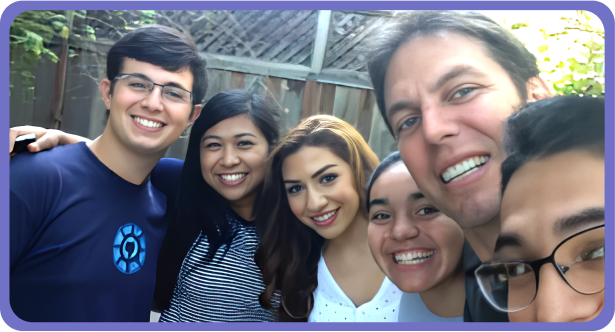

“It was divine appointment that we found Mr. Test Prep. Ethan loved Michael’s style and format, and it was a good fit for our family’s needs all around. Ethan sat for the SAT again after a few months of working with Michael, and his score was perfect.”
“My son had already taken the SAT in 10th grade and had a decent 1550 score, but we wanted to see if he could improve it. His score was perfect after a few months with Michael. The approach works.”
“Working with Michael, I learned how to pace myself, recognize the intent behind each question, cut down on careless mistakes, and use meditation before tests. Beyond the score improvement, I actually enjoyed coming to sessions. He builds confidence as much as he builds competence.”
SAT, ACT, and PSAT Dates and Test Centers for Bay Area Students
Bay Area test centers fill faster than almost anywhere in the country. Register the first day registration opens. Centers at PALY and Gunn routinely reach capacity 5 to 6 weeks before test day. For current SAT test dates and registration, verify at collegeboard.org. For current ACT test dates and registration, verify at act.org.Bay Area Test Centers (SAT and ACT)
- Palo Alto High School, 50 Embarcadero Rd, Palo Alto CA 94301
- Henry M. Gunn High School, 780 Arastradero Rd, Palo Alto CA 94306
- Mountain View High School, 3535 Truman Ave, Mountain View CA 94040
- Menlo-Atherton High School, 2601 Middlefield Rd, Atherton CA 94027
Additional centers are available throughout the corridor — San Jose, Cupertino, Burlingame, San Mateo, and Saratoga all have testing locations. Verify current availability and seat status at collegeboard.org or act.org, as centers fill 5 to 6 weeks before test day in this market.
PSAT
Administered at students’ own schools every October through their school district. Palo Alto Unified administers to all 11th graders mid-October. No external registration. The October junior year test is the only test that qualifies for National Merit recognition. The PSAT 10 is available to 10th graders as a useful baseline — it does not qualify for National Merit. There is no retake.Frequently Asked Questions: Bay Area SAT, ACT, and PSAT Tutoring
How much does SAT, ACT, or PSAT tutoring cost with Mr. Test Prep in the Bay Area?
Sessions are $400 for a two-hour session, billed pay-as-you-go at the end of each session.
No packages, no prepayment, no long-term commitment required. After the free trial, Michael presents a session count recommendation and a total estimate based on your student’s specific situation. And if a student completes the agreed program and isn’t satisfied with their results, they continue at no additional cost. The trial itself is free with no obligation. Call +1 (650) 575-5867 or register at mrtestprep.com/free-trial.How long does SAT or ACT preparation take for Bay Area students?
It depends on where a student is starting from.
Students who begin in sophomore year build their foundation over a longer arc. Students who come in as juniors or seniors with a specific test date in mind typically follow a focused three-month timeline from the diagnostic to the target test date. The trial session diagnostic produces a specific recommendation for each student based on exactly where they are and where they need to go.How early should Bay Area students start PSAT preparation for National Merit?
For Semifinalist consideration in California — one of the highest-cutoff states in the country — starting in January of sophomore year is the stronger approach.
It connects PSAT preparation directly into the SAT and ACT cycle. Students who begin early do not restart from zero when spring testing begins. Juniors who haven’t started yet still have a meaningful window. Michael’s trial session produces a specific plan for exactly where your student is right now.Does every Bay Area student work directly with Michael Romano?
Yes. Michael is the only instructor in the program.
Students at Gunn, PALY, Castilleja, Sacred Heart, and schools across the corridor are not rotated to a junior tutor or a substitute. Every session, every diagnostic, every one-on-one conference is with Michael. The continuity matters because score improvement is built on pattern recognition over multiple sessions — which questions a student keeps missing, how their timing shifts, where they gain confidence and where they lose it.What makes Mr. Test Prep different from Bay Area test prep centers?
Michael Romano — Mr. Test Prep — has been working with Bay Area students since 1997.
In nearly three decades he has worked with more than 4,000 students. One instructor. No homework. The Mr. Test Prep Method™ and A-Game Access™. A score satisfaction guarantee that reflects genuine belief in every student.Also Serving the Following Areas
- Palo Alto & the Mid-Peninsula
Palo Alto, Atherton, Menlo Park, Portola Valley, Los Altos, Mountain View - San Mateo & Redwood City
San Mateo, Redwood City, Burlingame, Belmont, Woodside - San Jose & the South Bay
San Jose, Santa Clara, Cupertino, Los Gatos, Saratoga, Sunnyvale - Elsewhere in the Bay Area
- Online Tutoring Nationwide
Related Test Prep Pages
Book Your Free 2-Hour Trial Session
Meet Mr. Test Prep — Free Two-Hour Trial Session
The best way to understand the program is to experience it.
The trial is a two-hour online session where your student will spend some time getting to know Michael and work through a diagnostic with guidance and check-ins along the way. No pressure — this is simply a chance to get started. Michael will follow up afterward with both the student and parent with next steps and a recommended plan: which test to prioritize, a target score, a proposed timeline, and a session count based on your student’s specific situation. The trial is free with no obligation to continue.