The Mr. Test Prep Method™ · Palo Alto, since 1997
Two students can know the same material and produce dramatically different scores.
One stays calm when a question gets difficult. The other gets rattled. Same ability, different result — and closing that gap is what the Method is for.
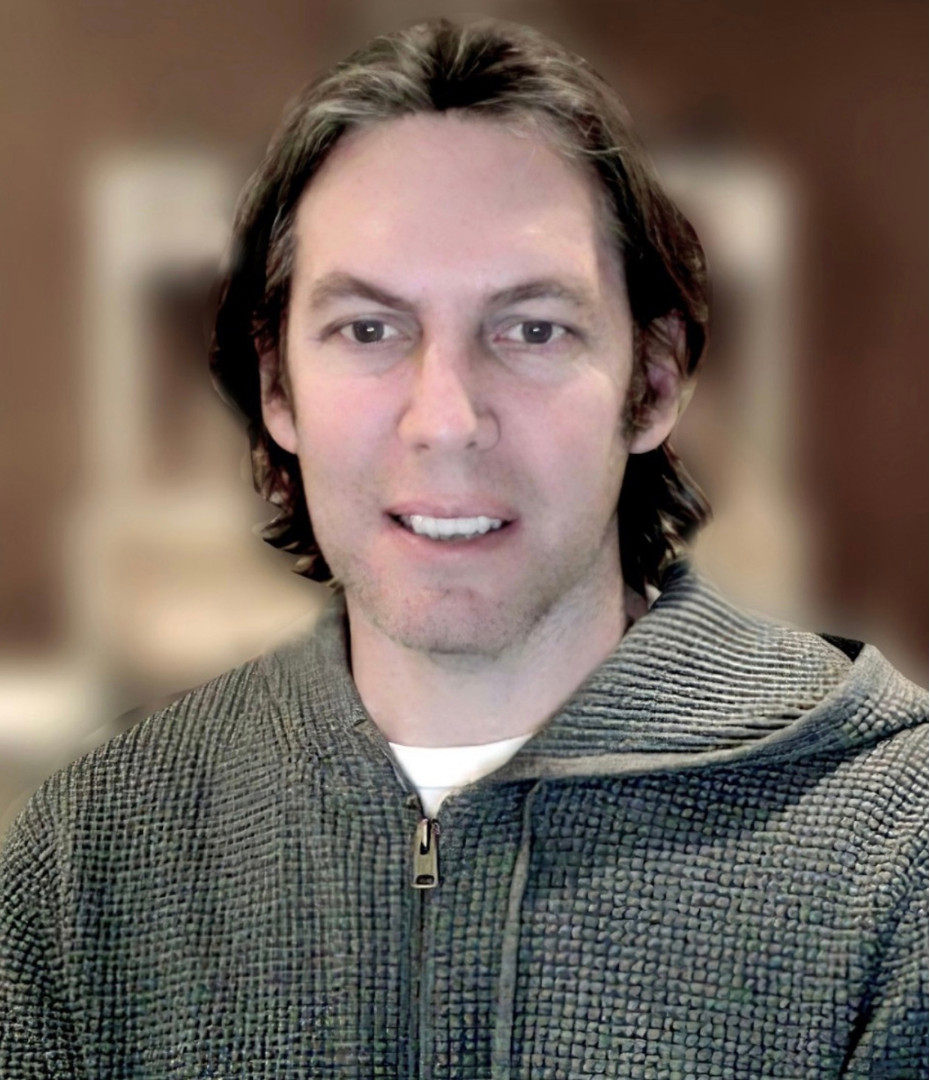
The first session is free, and Michael teaches it
Two hours on Zoom — a full diagnostic, a clear SAT-versus-ACT recommendation, and time to see how your student actually works. Then a call with you both.
Book the free diagnosticor call (650) 575-5867
- No packages to purchase up front
- No obligation after the diagnostic
- Finish early and you stop paying; finish late and you don’t pay more — no homework conditions attached
Frameworks change how a student sees the test
Your student has to know the material, and nothing here substitutes for that. The goal is not to teach them more — it is to get the most out of the preparation and the most out of the testing itself.
These do both jobs at once. They change how much of the relevant material a student actually absorbs across the months of preparation, and they are also what your student walks into the room carrying on the day. Same concepts, both halves.
- Breaking the MythHigh scores are not reserved for geniuses.
- Bullseye StrategyAim for your highest potential, not a safe target.
- Rope, Not SnakeDifficulty is not a threat. Stay relaxed and keep thinking.
- Start Strong, Finish StrongerMomentum matters.
- Test Maker’s LogicLearn to think the way the test maker thinks.
- Mastering the CurveNot all questions deserve the same investment.
- The Power of AttentionPrecision often beats raw intelligence.
- Are You Smarter Than a Fifth Grader?Master the fundamentals that drive scores.
Frameworks shape how a student thinks; tactics shape what they do on the day. Those are taught too — In Two or Mark for Review, Double Check Don’t Second Guess, Smarter Test Guesses, A Smarter Way to Learn, the Confidence Loop. Together they are what turns preparation into points on the morning it counts.
The list is not the method
You could read all thirteen of those in ten minutes. Writing them down is the easy part.
What decides whether any of it changes a score is knowing which one this student needs, on this question, this week — and then getting it repeated often enough that it stops being a technique and becomes how they think. That is not a curriculum anyone can hand you. It is watching a student work and improvising against what you actually see.
That is what thirty years buys. Not the concepts — those are teachable in an afternoon. The judgement about which one, for whom, at what moment, and how many times before it is second nature.
How it is actually taught
Two-hour Zoom sessions built for active work rather than passive instruction. Your student works; Michael watches the work happen.
Most of the session goes on official SAT and ACT material, on the clock, with individualised coaching as it happens. The value is in the timing. Review a test a week later and you get the wrong answer without the reason — a knowledge gap, a misread, pace, or a correct instinct talked out of itself in the last ten seconds all look identical on paper, and they need four different fixes. Caught live, the cause is visible. Michael knows which of the twelve reasons a student misses that particular question applies to this one, because he has seen it several thousand times.
Four to six students usually work in the same two-hour block, each on their own material at their own pace, with Michael coaching each of them individually. Your student will not be alone on test day either. They will sit it in a room with twenty or thirty other people — turning pages at different speeds, finishing a section early, packing up while your student is still working. Preparing at a kitchen table rehearses none of that. A room does. Knowing the material and holding your focus on the day are two different skills, and only one of them can be practised alone.
And it is what makes the no-homework approach possible. The biggest obstacle to improvement is not ability, it is follow-through — talented students routinely know what they should do and struggle to do it on their own. Putting the practice, the coaching and the review inside the session means the work actually gets done.
“Being in a proctored environment almost forced me to take the practice tests. Reviewing every question I got wrong, multiple times and out loud, was the other thing that stuck.”Krish Arora · The Harker School ’26 · Caltech ’30 · 1510 to 1590
“I knew my son would never prep on his own. Michael has the kids do the work and then he reviews what they’ve done right then and there. It’s fresh in the kids’ minds.”Meme Rasmussen · Parent · Saint Francis ’15
The other half of the equation
The Method teaches students how to approach the test. A‑Game Access™ teaches them how to approach the moment.
One develops frameworks and tactics. The other develops access. It all rides together — the state is what powers the rest, which is why it is not sold separately and not taught separately. By test day a student has practised the concepts, the tactics and the state in the combination they will actually need them.
Questions parents ask
How many students are in a session, and why isn’t it one-to-one?
Four to six, each working their own material at their own pace. It is not a class — there is no lecture and nobody waits for anyone else — and it is nothing like the centres that put dozens of students in a room and hand out the same paper.
One-to-one would make it worse. Two hours with a tutor is two hours of being talked to, and the test is not a conversation — nor is it taken alone. A private session rehearses test-day conditions exactly as badly as a kitchen table does.
Is there homework?
Nothing is assigned. Students are welcome to do more, but nothing depends on it — which is also why the score guarantee has no homework conditions attached. There is nothing set outside the room that a student could fail.
How many sessions does it usually take?
Most students work through about ten. Your written proposal names a number for your student, and that number is a ceiling rather than a price — finish sooner and the rest were never bought.
Is it really Michael every time?
Yes. Every session since 1997. No associate tutor, no bench, no handoff after the sales call.
Start with the free session
Two hours, no charge, no obligation afterwards — a diagnostic test plus time to see how your student works, live on Zoom. Then a separate call with you both to go through the results.
Book the free diagnostic